Lead Product Designer, Florence (team of 4 designers + 1 UX researcher) • 2022–2024
Nightingale: A Social Care Design System
Context
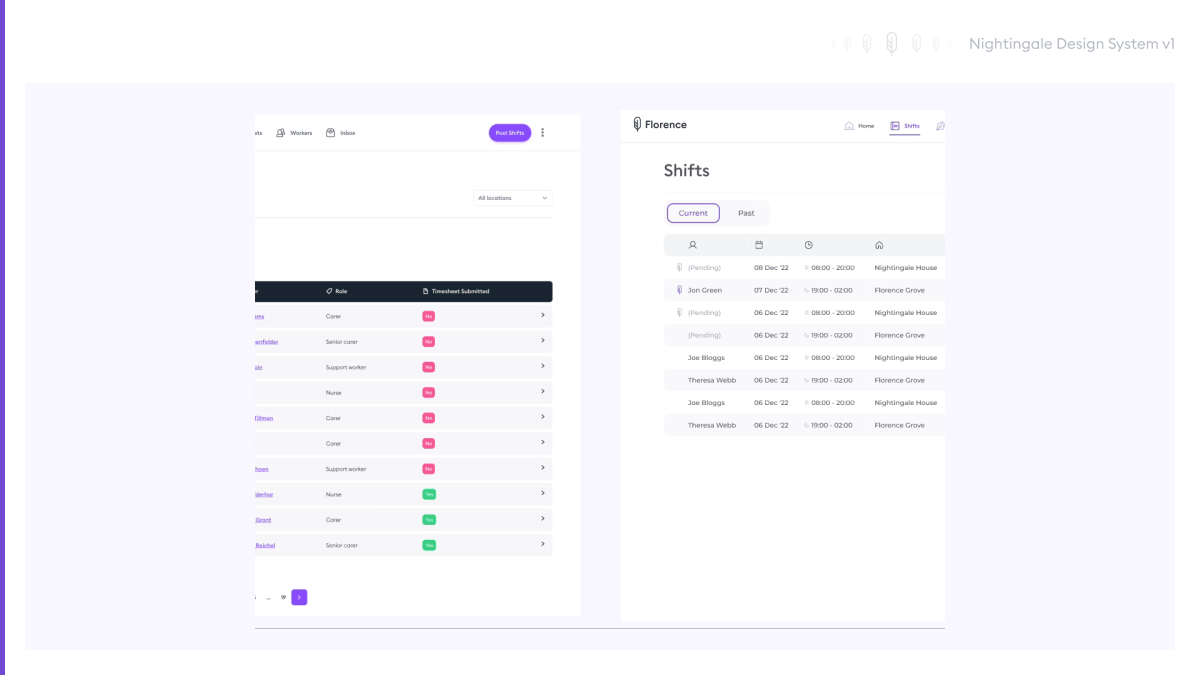
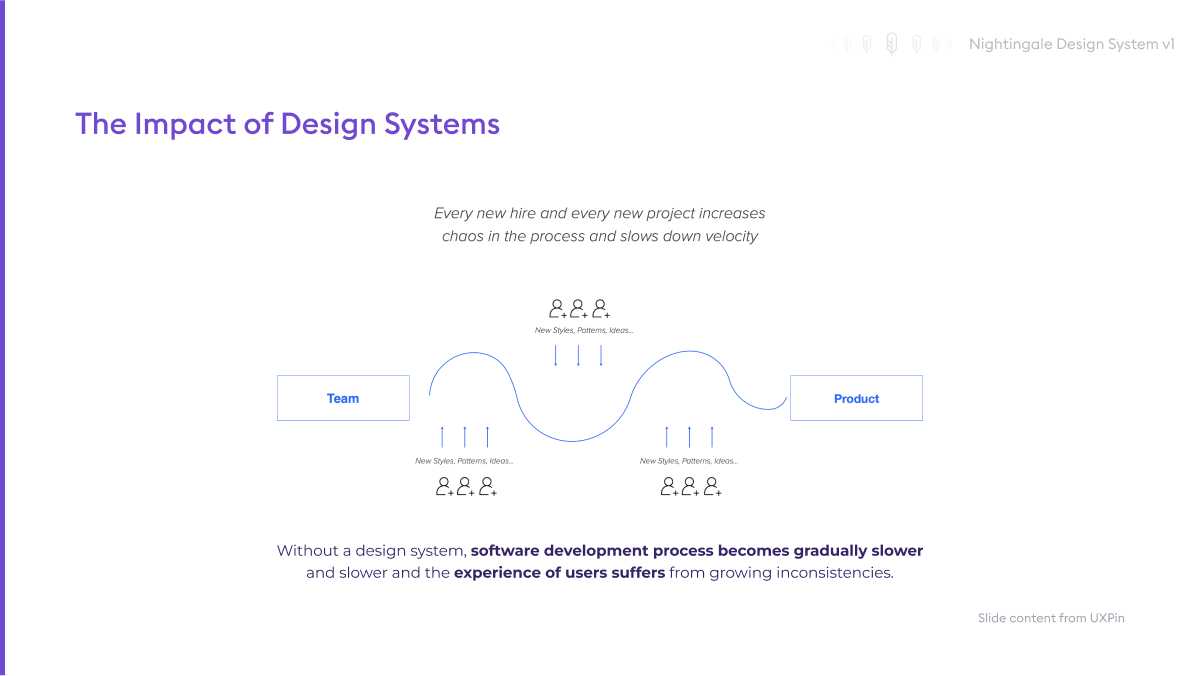
Early 2022, Florence’s social care products suffered from inconsistent component usage and no unified design language. We were growing pains personified: designers building ad-hoc, engineers implementing rogue solutions, and no shared source of truth. This ongoing friction harmed velocity and release quality, and we struggled against competitors with stronger UI. A design system was critical.
Approach
Hired the design system lead, partnered with front-end developers to form the Nightingale team, and drove adoption across product squads.
Reported to CTO, collaborated with CPO/engineering on handoffs and governance.
What I Shipped
Team & collaboration: Hired a designer exceptional at documentation and detail work to own Nightingale’s day-to-day. Formed cross-functional Nightingale team (design + front-end devs) for shared workstreams and bi-weekly “Nightingale Pulse” sessions, unifying product squads through demos, Q&A, and ownership culture.
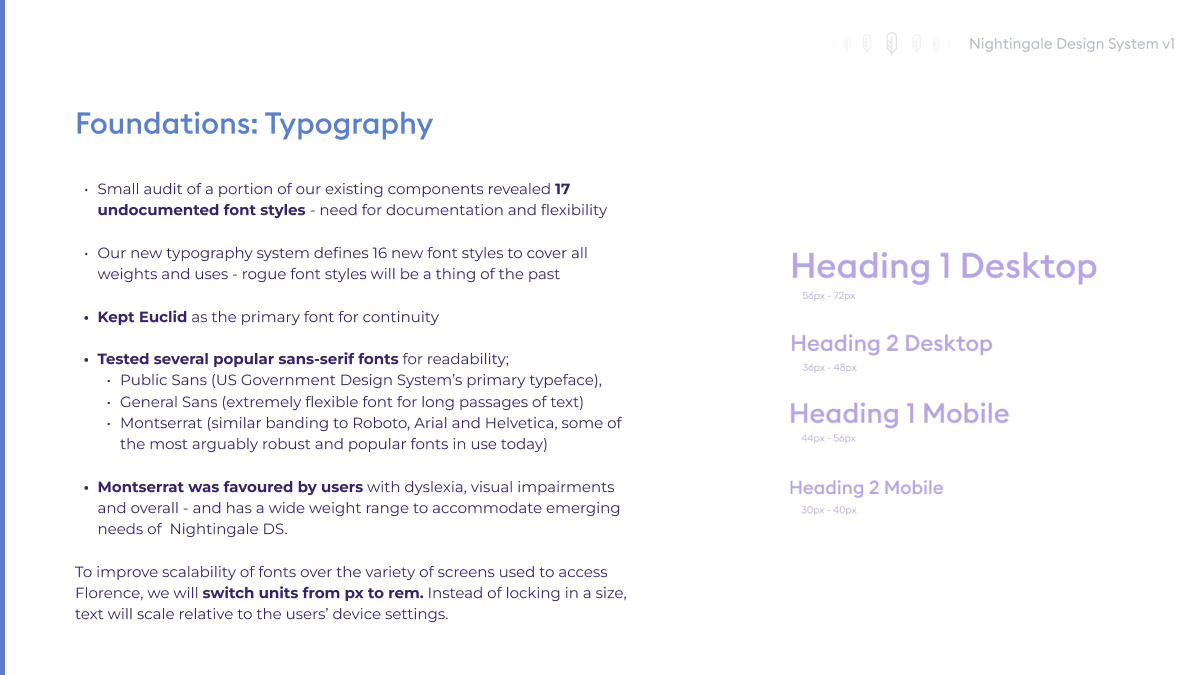
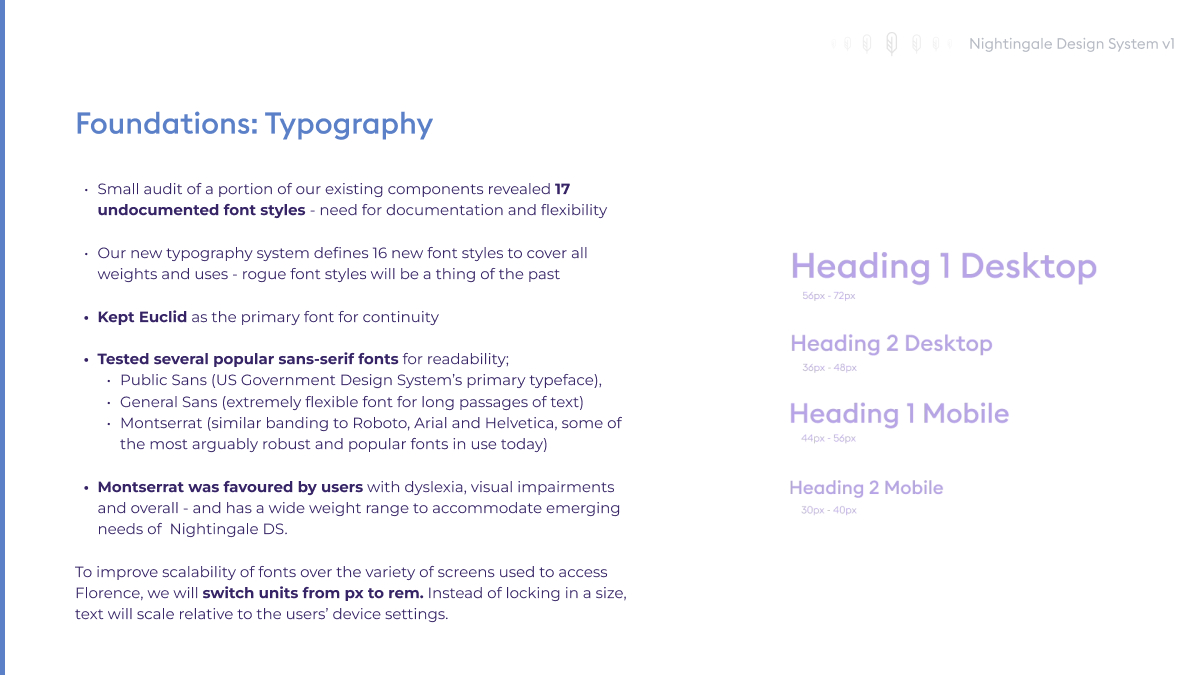
Buy-in strategy: Recognised underestimated education needs. Launched with org-wide “Nightingale Pulse” design system deck + sessions, Slack micro-announcements for component releases, and in-office internal testing (like our font legibility kitchen station!) Treated Nightingale as its own product with org-wide input.
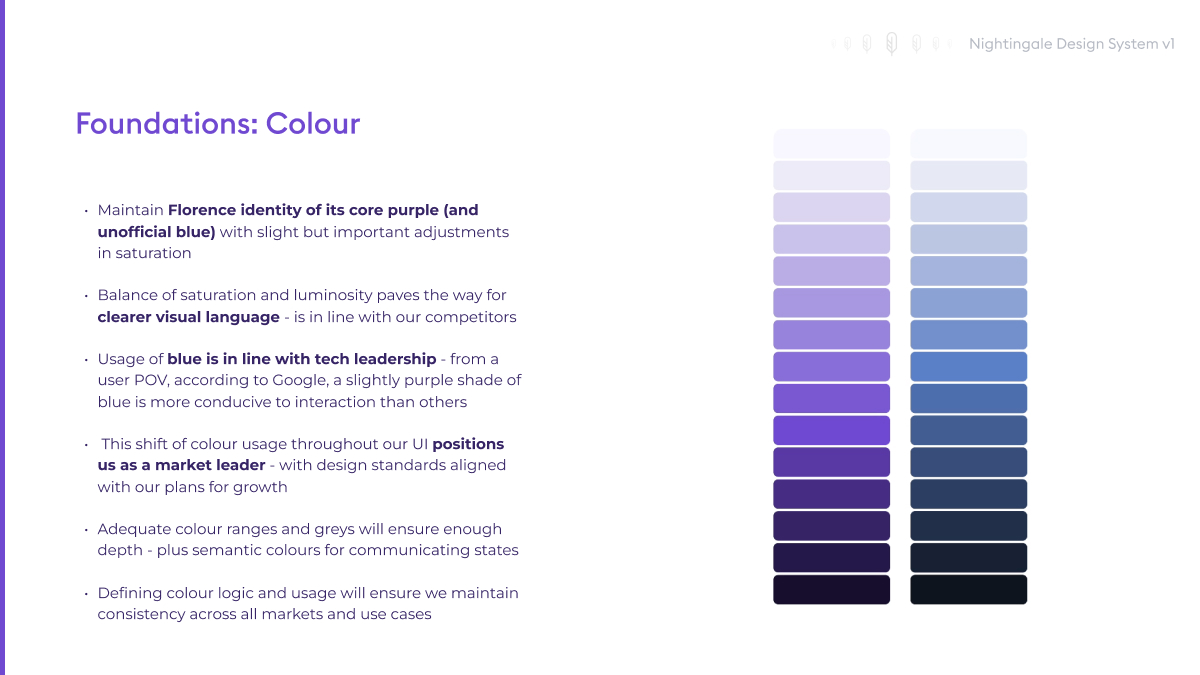
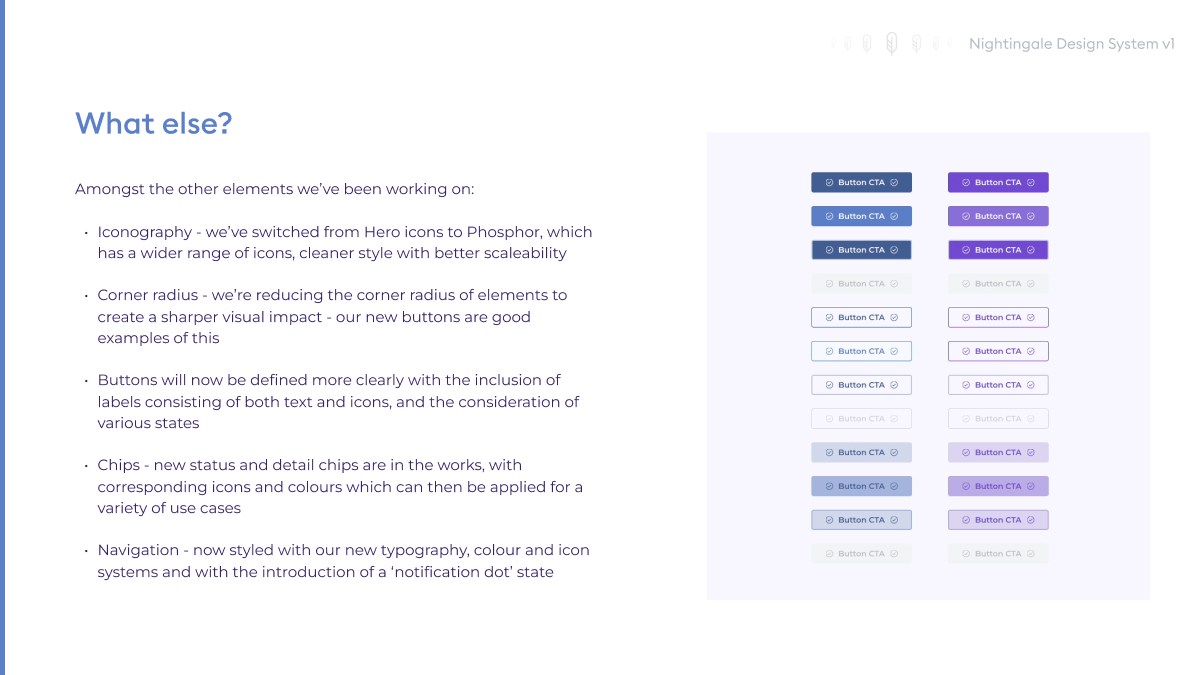
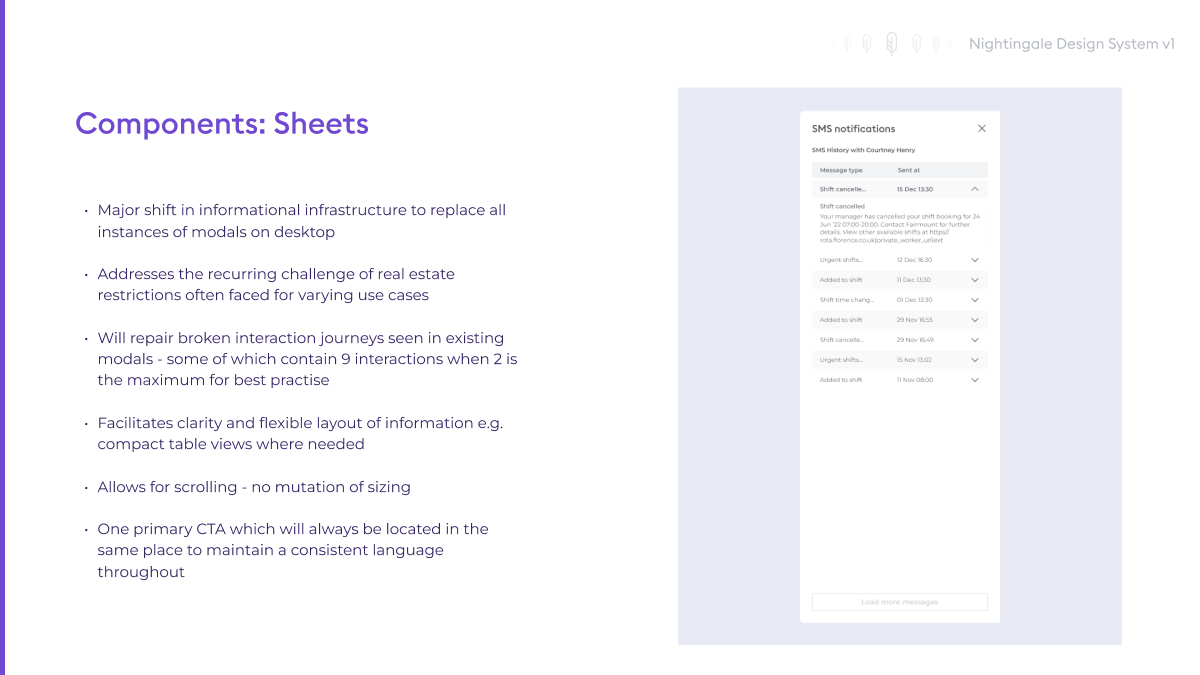
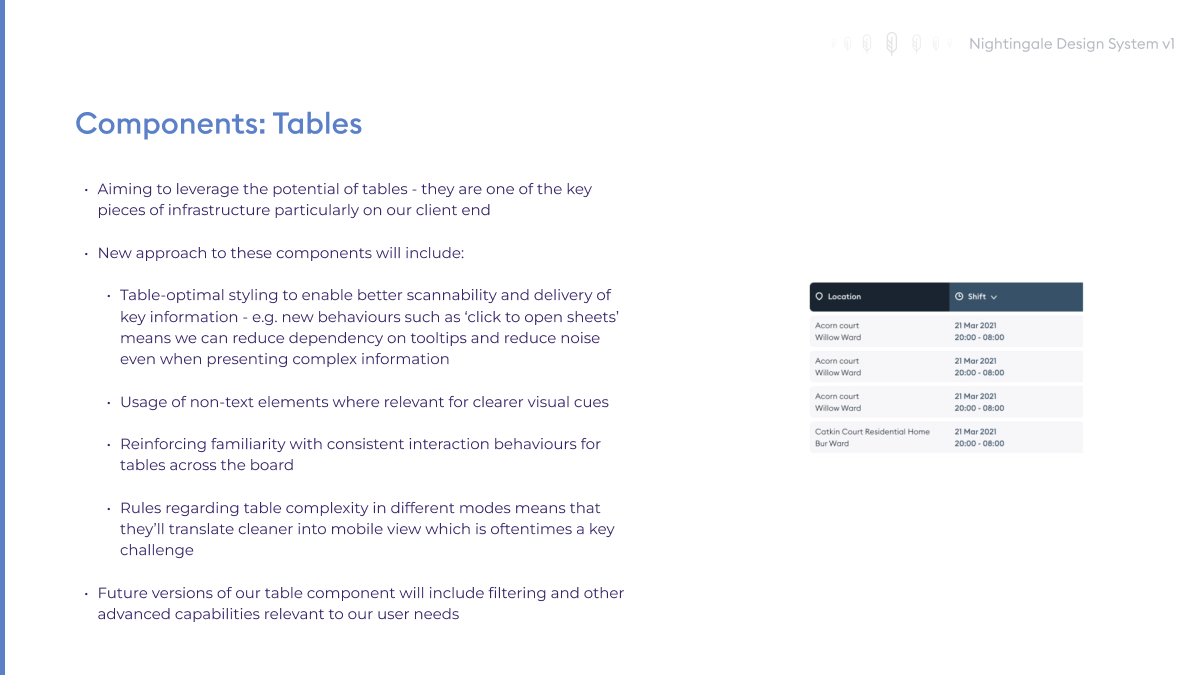
Build & governance: Semver versioning by module for incremental updates. Internal component audit prioritised high-impact fixes (buttons, inputs with fragmented variants). Published to Supernova for living documentation – logics, research, changelogs, build status. Figma for real-time design/dev sync.
Realistic scope: “We’re not FAANG.” Staggered rollout focused on what we needed most, and what we could actually maintain. Refined/reconfigured for scale.
Learnings
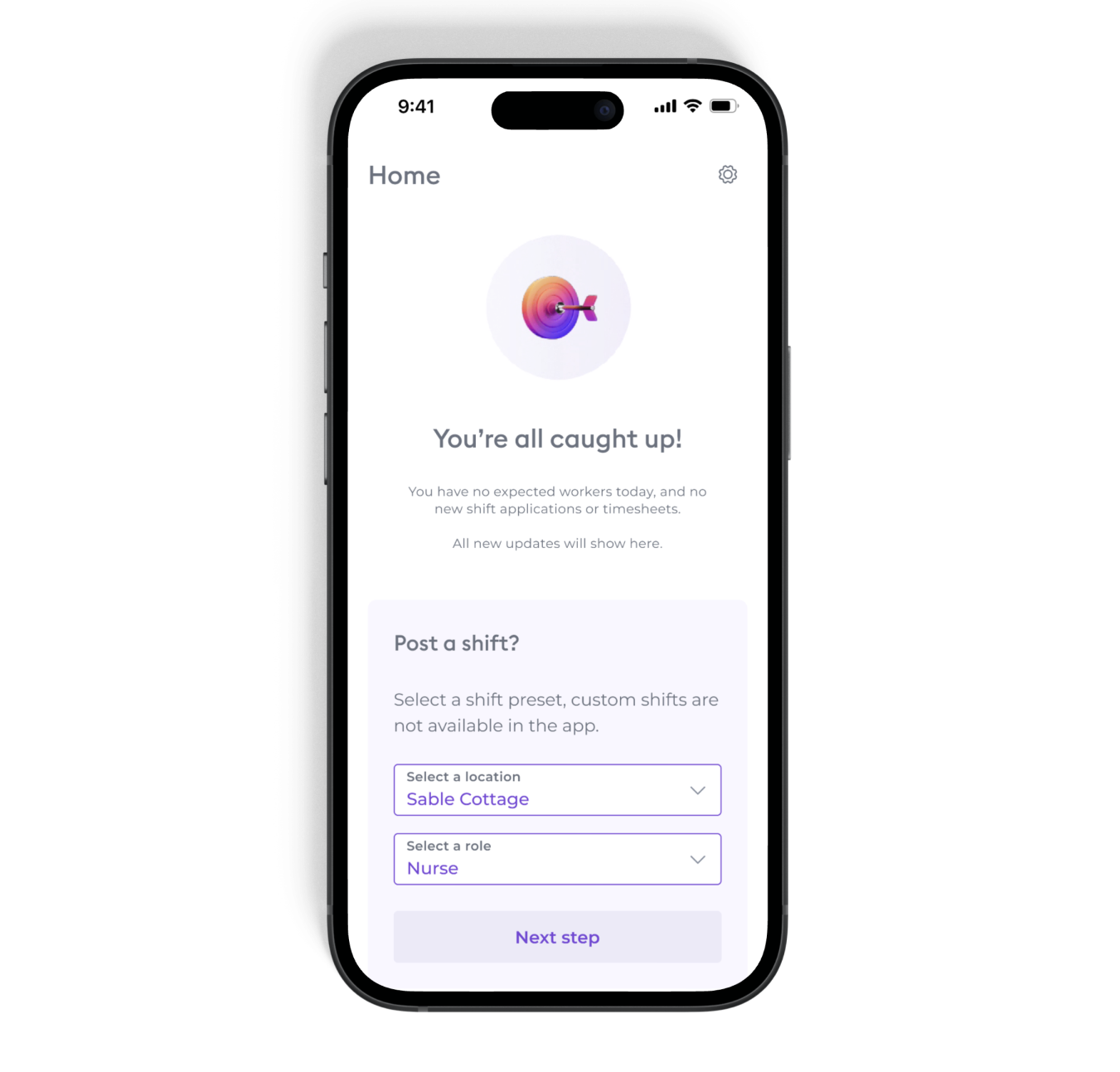
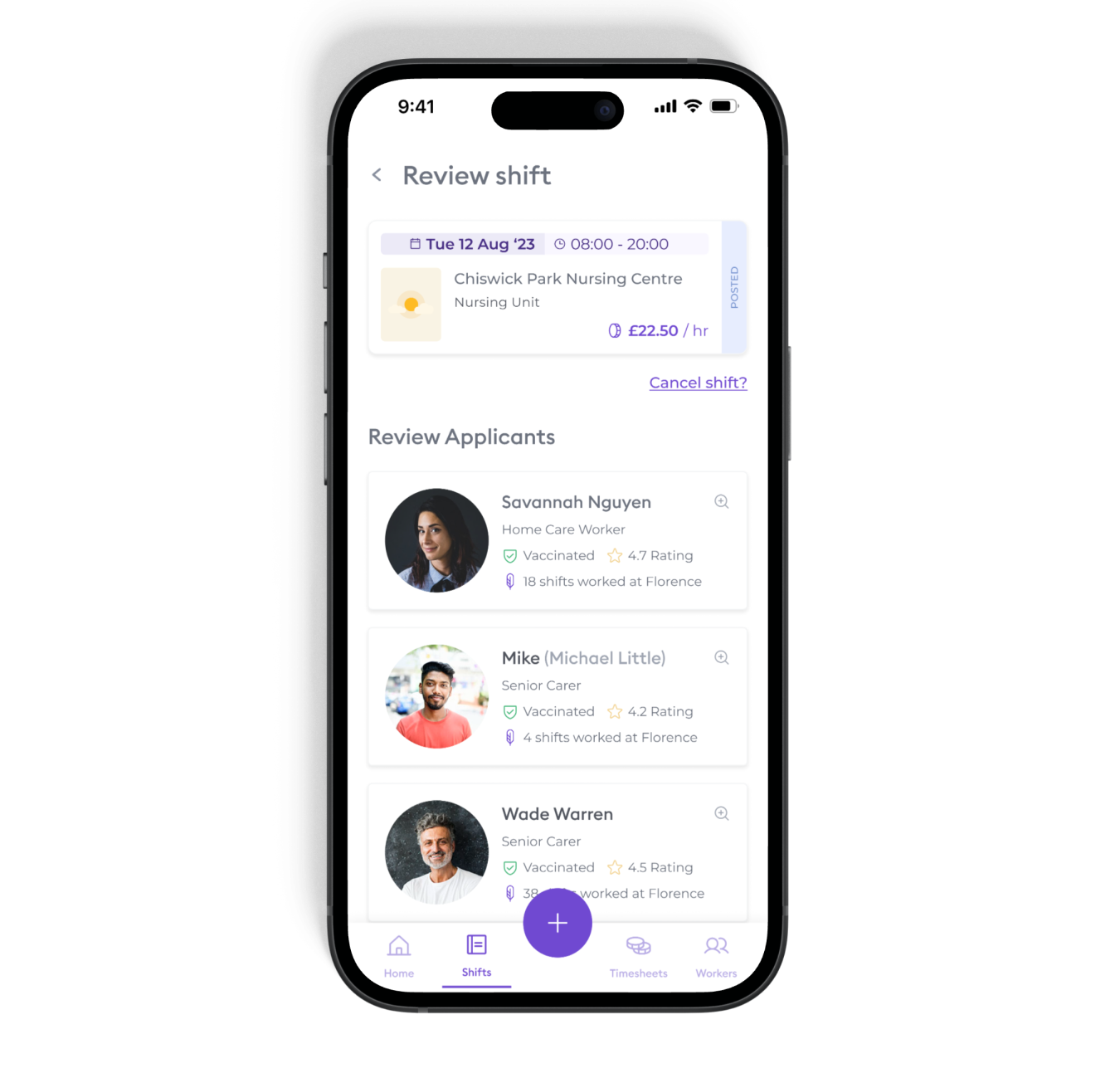
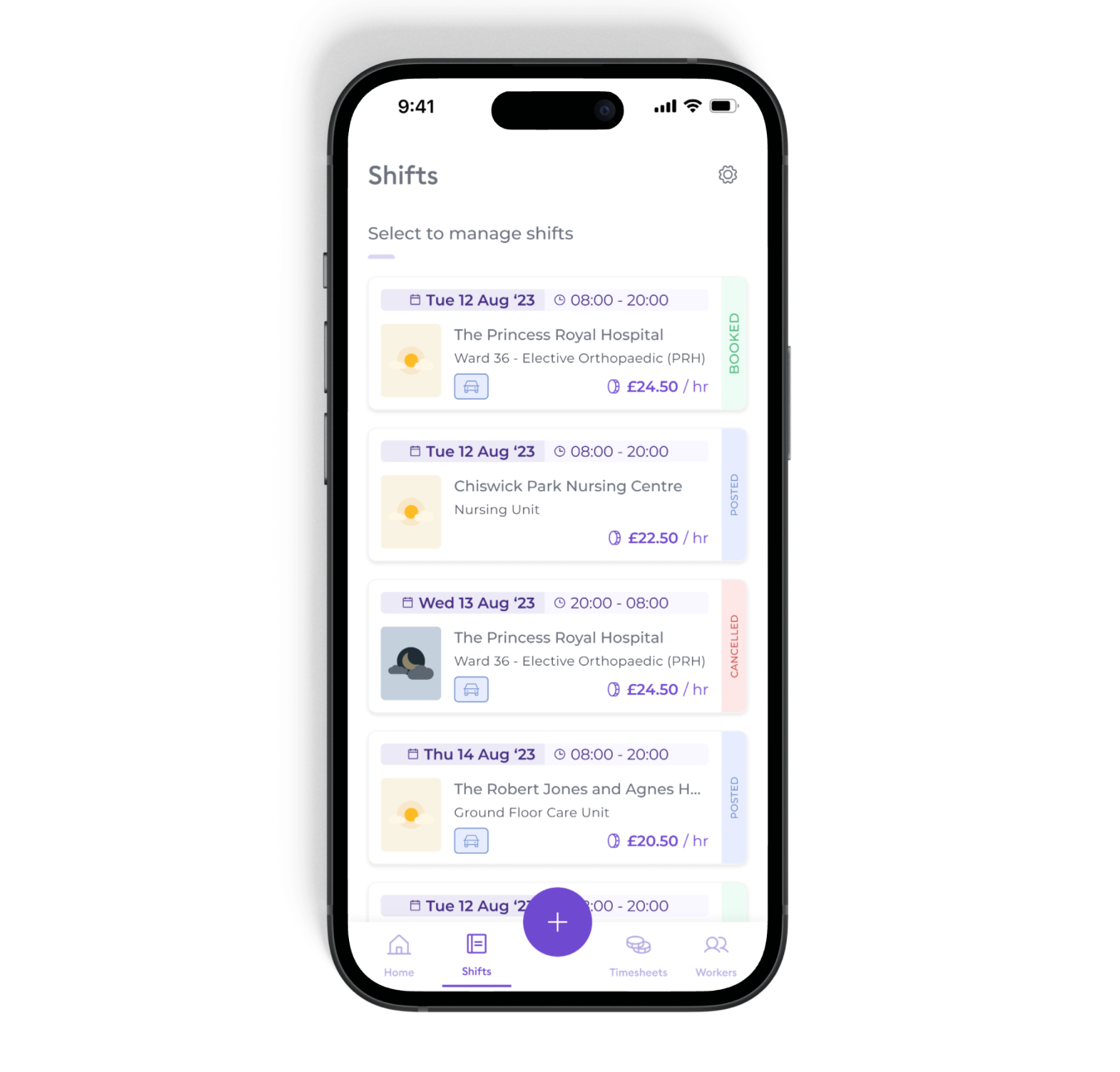
First true test: Florence B2B mobile app was built natively with Nightingale. UI feedback “overwhelmingly positive” (official Hansel Foundation case study). Service manager: “The app is simple and easy to use, it dispelled all my fear of using apps.”
Engineers reported dramatically faster builds – right components, right logics already existed. Design freed from pixel firefighting, focused on higher-value user work. Full adoption across core platform + UK/France/Canada variants.
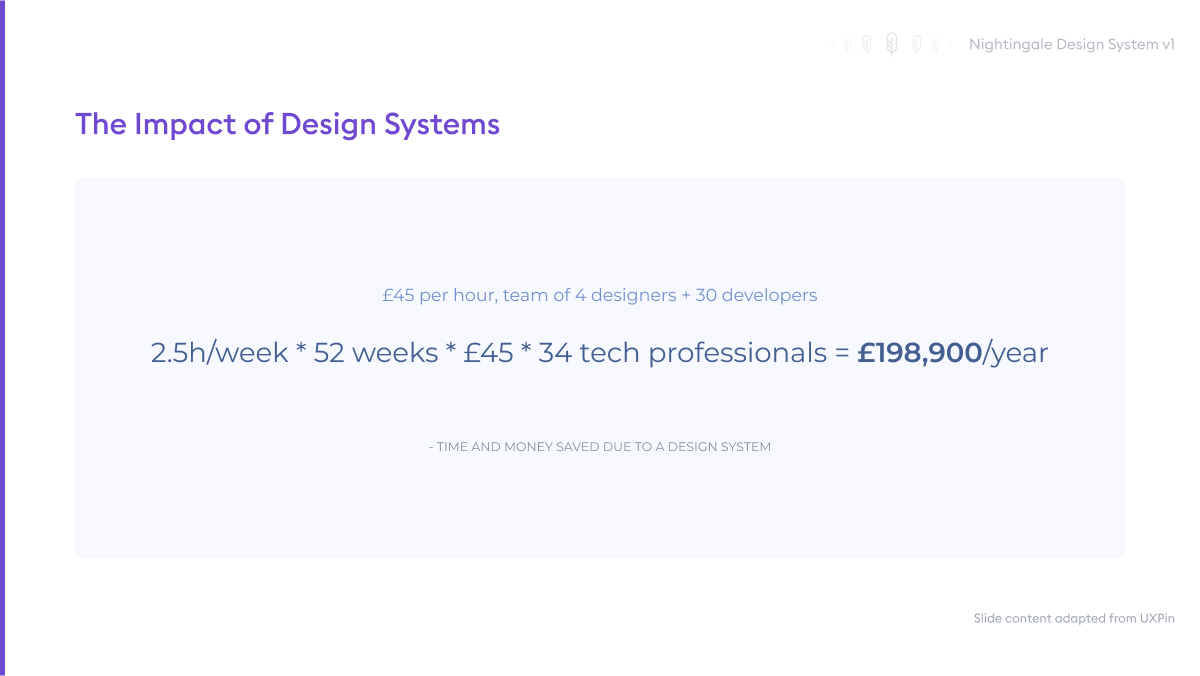
Business impact: Fewer inconsistent builds, rework, front-end bugs. Estimated ~£200k annual dev/design cost savings.
Reflections
Start buy-in even earlier with ‘kitchen conversations’. Semver by module was right call for our scale. Would formalise engineering “time saved” stories systematically – devs shared anecdotally, but structured capture builds stronger case.
A design system acts as the connective tissue that holds together your entire platform.
— Drew Bridewell